- Basic
- Standard Compliant Channels
- $50
- Completely synergize resource taxing relationships via premier market
- 1 GB of space
- Support at $25/hour
- Sign Up
- Premium
- Standard Compliant Channels
- $100
- Completely synergize resource taxing relationships via premier market
- 10 GB of space
- Support at $15/hour
- Sign Up
- Platinum
- Standard Compliant Channels
- $250
- Completely synergize resource taxing relationships via premier market
- 30 GB of space
- Support at $5/hour
- Sign Up

Mindful Eating - A Journey
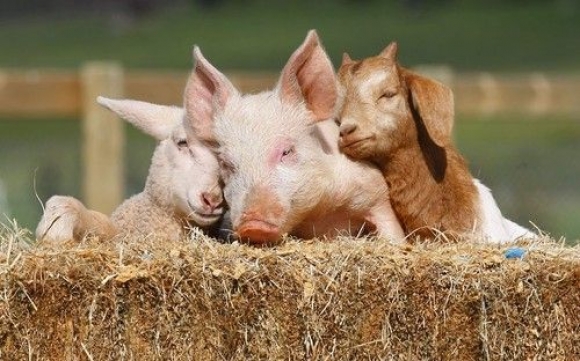 Nutrition has always been my thing. My true love. What I find most fascinating about being in a body. "We are what we eat" is such a no-brainer, yet nobody knows what to eat anymore. Literally 85% of my patients have no idea what they should be eating to feel their best and avoid or cure disease. For myself, I recently revamped my vegetarian diet to stop with the dairy and eggs that I was continually feeling yucky about. What I didn't realize when I made that shift in my diet is that the change was part of a larger awakening I was experiencing to the sentience and plight of animals altogether. I've always been an animal lover (and kind of a dog whisperer!), but more and more I've begun to literally feel their suffering. My heart breaks every time I hear, see, or think about what animals are enduring so that people can eat them. So really this nutrition post is more about compassionate food choices and mindful eating. It is my sincere hope that the good intentioned mindfulness many people apply to their daily behavior and relationships will someday direct their food choices as well.
Why the dilemma about what to eat? Endless well-qualified experts appear to be offering contradictory, yet scientific proof that we should eat meat or not, grains or not, fat or not, etc. People see their friends at the gym losing weight eating lots of meat, so it must be good for you, right? And isn't grass-fed beef humane? When my patients show up confused about what to eat, I offer them what I believe to be true about the uncompromising importance of green veggies, or how they could cook wholesome meals instead of fast food, or if they are leaning away from meat how to do it with grace and good nutrition. I can cite the research, the ethics, the energetics, the environmental toll, but ultimately it comes down to a matter of personal choice. But one which I believe should be based on the open-hearted exploration of what kind of energy is going into our mouths. If we turn our mindful eye to where our food truly comes from, we make different choices, don't we? Why is it so scary to so many people to actually look at where their food comes from? Because there are stories and emotions intimately, and I mean intimately, tied to that fried chicken or cheeseburger or poached salmon. That's why. (A great book on this subject is Eating Animals by Jonathan Safran Foer.)
But consider that times have changed. The world we live in is not the sames as that of our Paleo ancestors. Nor is it Vedic India, where the cow was sacred and the general lifestyle revolved around meditation and the path to enlightenment. We live in the here and now, which on the level of form, in the physically manifested world, means that wheat is no longer our grandparents' wheat, and dairy is not that of the sacred cow that feeds Krishna, and industrially growing animals to feed meat to our obese population three times a day is quickly causing planetary and personal health destruction. In the here and now, our oversaturated minds and bodies don't need more animal foods. In fact, it's what is killing the majority of us in the industrialized countries. And now we are finding that animal agriculture is the leading producer of greenhouse gases and the largest contributor to climate change. Even grass-fed cattle ranches require running off or killing the wild animals in the area, contribute to pollution, and in the end the animal still feels fear and desperation as they are cruelly slaughtered. Believe it or not, we have a choice.
I have been vegetarian since I learned about animal cruelty in college, with vegan times here and there. Experimented with meat while nursing my first son to see if I'd have more energy, but guess what, when you're not sleeping all night, nothing you eat will make you feel like you are. Now I'm back to being vegan, but I prefer to call it "whole-foods-plant-based." While there's no short way to say it,that accurately describes the lifestyle that I've made into my new norm. I get to eat like a gorilla ((mounds and mounds of greens), enjoy the genuine taste of whole foods, experiment with legumes and nuts in whole new ways, and shed a few pounds in the process. I honestly feel like I'm finally living in integrity with what I always felt but wouldn't admit. If I had allowed myself for a millisecond to consider where the cheese on my green chile came from (most likely a commercial dairy farm where those poor cows are hooked up to machines for their whole, short life), I surely wouldn't have eaten it! But now I look back and realize that I absolutely did not consider it. My taste buds, habitual patterns, and general sensory override of my heart won out every time. I experienced that denial to an even great degree when I started eating farmers' market, local, organic meat during that nursing time in 2003. I rode that slippery slope from the farmers' market meat to the restaurant meat, and enjoyed the new found variety of menu choices, ease of fitting in with the family and friends, etc. Then I literally woke up one day thinking, "What the hell are you doing???" It wasn't sitting right with me all along but my sensory gratification overrode the ethical dilemma within myself until that point. And I've never missed eating an animal since that moment. The desire evaporated. But like I said, I kept eating dairy and eggs until it hit me the same way this past August.
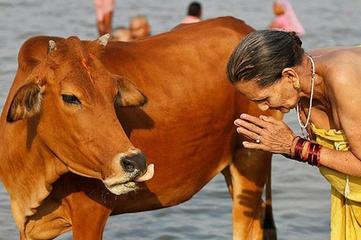 My two lineages, Traditional Chinese Medicine and Ayurveda, have quite different takes on eating meat. During the Vedic Era in India, when Ayurvedic medicine was divined by the sages because their physical bodies were beginning to experience disease, it was a vegetarian culture based on their adherence to non-violence of body, speech, and mind. (Of course there is harm to the plants, but we have to eat something and it's far less cruel than what's done to loving, sentient animals.) However milk and butter and ghee were held in the highest regard as highly nutritive tonics that kept a skinny yogi pliant and grounded. Ayurveda still teaches that today. In the Charaka Samhita, the 2500 year old Ayurvedic medical text, the attributes of all foods they had at that time are itemized. Dairy is recommended for certain types of people, eggs rarely are, and meat only for specific ailments. A varied diet of fruits, vegetables, whole grains, legumes, seeds and nuts were and are predominant still in India. In China, however, meat was and is considered a staple when it can be had. That used to be not very often. China has a long history of famine. It's also a very Yang culture in terms of their styles of government. So it comes as no surprise that TCM teaches that the best way, perhaps the only way according to some, to build strong qi and blood is to eat meat. (They didn't have examples of plant-based endurance athletes and body builders like Rich Roll, Brendan Brazier, and Patrik Baboumian) Yet the reality for them was that it turned out to be a fairly rare occurrence. And it's fair to bet that it was local and organically raised farm animals. Not factory farmed meat. Not cheeseburgers. Now it may be in urban China, but not when they wrote the medical books.
Modern society has taken this theme - that you need to eat animals because our ancestors did and it's the only way to have strong qi - and gone totally over the top. Animals are raised, tortured, and slaughtered in horrific conditions, without any regard for their sentience at all, with disastrous effects on personal health and the earth's environment and atmosphere. All of our most chronic, expensive diseases-- diabetes, heart disease, and cancer -- are directly linked to the excess consumption of a high fat, animal protein diet. Yet because of people's attachment and addiction to eating animals, even mindfulness practitioners and environmental activists don't want to look at it. I personally couldn't hide from the reality of the animal cruelty anymore. And I feel that as a doctor, I have a duty to my patients -- a duty to find an opening in my their hearts to have this conversation about mindful eating. For their own individual health and to alleviate the mass suffering of over 56 billion animals each year. It's a win-win.
This is a tough subject for most people. And it's not always so easy to make the transition away from animal foods if that's what you're inclined to do. But these days there are so many resources and recipes to make eating still fun and yummy. Click on any of the highlighted words above to link to articles explaining my point. I'll include more recipes next time or leave a comment below if you need help with that. I'm also available by phone or skype for nutritional coaching.
In the next post I'm going to discuss how I (try to) deal with living with and cooking for my husband and two boys who all eat meat. It's challenging on many levels! I'd really like to hear your thoughts on what mindful eating means for you. Please leave a comment below!
Transforming Cravings and Avoiding Regret
 I want to share with you a simple approach to dealing with cravings - and thereby avoiding the regret that usually follows giving in to a craving - that I developed organically as a way to deal with my own sugar cravings.
It may sound too easy, but it’s honestly been the most effective thing I’ve ever tried.
I’ve always been a huge opponent of regret and guilt. I’ll do almost anything to avoiding feeling it.
In college I used to be the first one in my house to get all of my homework done because I just couldn’t stand the guilty feelings that went along with procrastination.
Come 10:00 I was the only one ready to party while my housemates were just getting started on their work.
Rewind to childhood. I was raised on a lot of sugar. I had unrestricted access to sugar for the entire day. I ate a ton of it all the time. Sugar cereal for breakfast, cookies in between, then a visit to the candy jar here and there, etc.
Even though I became vegetarian in college and educated myself about healthy nutrition, I still always had a sweet tooth.
Throughout Ayurveda school and until recently, my sweet tooth was fierce. I would try to resist it, try to talk myself out of it, use sheer will power, whatever. But it was always a struggle.
For a while when I was very strict about my Kapha-reducing diet, I would sit with a jar of honey and lick it off the spoon for an hour.
Then one day I let myself get present with the regret I felt after giving in to the sugar. It felt horrible and it turned out that it always had. I just hadn't paid much attention to it. I glossed over it.
I realized how guilty I felt after rationalizing and indulging in just 4 little cookies. Or a handful of chocolate chips. Or whatever sugary thing I could find when the urge was overwhelming. The reasons I felt regret and guilt were numerous. Eating sugar just simply didn’t fall in line with my health goals for myself.
It was then that I realized that I could use my aversion to regret as a motivation to not give in to the cravings. If in that moment of the urge I could imagine the regret I would soon feel, it was easier to walk away from it. Each time that I didn't give in to the craving, and thereby avoided the regret and guilt that always followed, I felt such relief!
So maybe this will help you too. Whatever your cravings or unhealthy desires may be, whether it's for muffins, a cigarette, or an early cocktail, contemplate the regret you will soon feel if you give in. Consider how stressful it is to feel guilt.
You can actually avoid it by making a conscious choice. This is what Buddhism calls “skillful action.” Or what is also called “mindfulness”. You are simply taking into account the logical consequences of your actions, and making choices based on that.
Guilt and stress wreak havoc on your health. Anything you can do to avoid it is important preventative medicine.
I indulge in sweets from time to time. There are special occasions where I consciously choose to have the birthday cake or whatever. But the choice isn't followed by regret when I make it mindfully. It's the auto-pilot response to a craving that leads to guilt.
Just to be clear, I’m not suggesting that you too need to avoid sweets, or that you should feel guilty about your piece of dark chocolate if you don’t have regrets.
What I am suggesting is that if you are giving in to certain cravings that you feel regret about afterwards, try this technique and see if it helps.
Let me know how it goes!
Stabilize Your Blood Sugar With Ayurveda
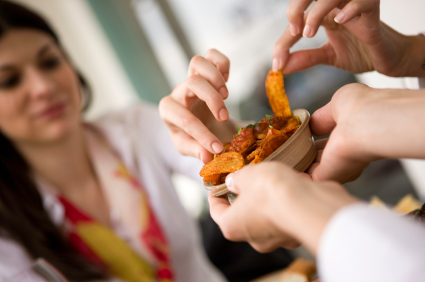 If you're one of the millions of people who suffer from low blood sugar, you probably have been advised to eat frequent, small meals throughout your day. Believe it or not, this advice is totally the opposite of what traditional Ayurvedic medicine recommends. As you've likely heard me say a million times, Ayurveda teaches that the root cause of all disease is improper digestion. So with this focus, you can trust Ayurveda to have a very thorough understanding of what optimal digestion is! What I'm about to explain to you may be contrary to what you've heard, but if you'd like to uncover the underlying cause of your blood sugar instability, check this out.
What Happens When You Eat Frequently
In our society, food is everywhere. It's almost hard to avoid eating all the time! Except breakfast, which people tend to skip. (Click here to read about the importance of breakfast.) But let's say you eat breakfast, and then around 10 am you have a muffin, or fruit, or nuts. Healthy snack, right? Well your digestive fire, your metabolic process, now turns its attention to the new food coming in. The problem here is that during the 5 or so hours between meals, you are really supposed to be burning fat, not new food.
Fat is our calm, stable, non-emergency fuel.
Stored in there, too, are all the fat-soluble toxins from the environment. So fat burning is totally crucial! Not just for weight loss, but to detoxify our bodies and also release the essential fatty acids and stable fuels that regulate our blood sugar levels, and in turn our mood and energy level. If we're constantly giving our digestion new food to focus on, then we never enter fat-burning mode.
How To Make Your Ayurvedic Diet Stick
 Adopting new food habits is probably one of the hardest, if not the very hardest, things in our life to do. We all have so many attachments to certain foods and the feelings we associate with them. Believe me, mine come up all of the time. According to Ayurveda, there is a "Yes" food list and a "No" food list for each constitutional type. You can imagine the look on my patients' faces when I show them the Ayurvedic Dietary Guidelines handout and they see all of their favorite foods on the "Avoid" list! Over the past 13 years in practice, I've realized that equally important to steering my patients in the right direction as far as "what" to eat, is "how" to make the change to an Ayurvedic diet. Here are some tips and a video that are really helpful to make your Ayurvedic diet, or any diet for that matter, stick.
Page 4 of 6