- Basic
- Standard Compliant Channels
- $50
- Completely synergize resource taxing relationships via premier market
- 1 GB of space
- Support at $25/hour
- Sign Up
- Premium
- Standard Compliant Channels
- $100
- Completely synergize resource taxing relationships via premier market
- 10 GB of space
- Support at $15/hour
- Sign Up
- Platinum
- Standard Compliant Channels
- $250
- Completely synergize resource taxing relationships via premier market
- 30 GB of space
- Support at $5/hour
- Sign Up

Magical Vata Digestive Spice Mix
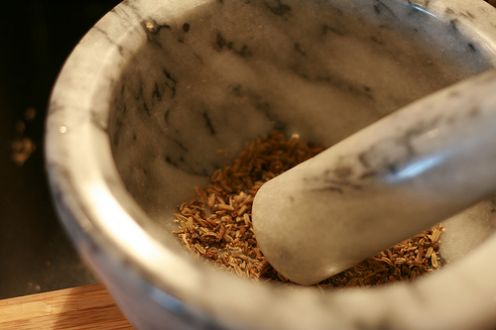 One of the most beautiful things about Ayurveda is the way spices are used not only to make food more delicious, but also to heal and balance your body. Autumn is the season dominated by Vata, otherwise known as Wind. You can easily keep your body, mind, and spirit in balance with the Vata season by including Ayurvedic spices in your cooking. Here's a recipe for a Vata spice mixture that you can carry with you when you eat out, or add to your meals at home. You can also take 1/2 tsp. of this mixture with warm water in between meals any time you're experiencing gas and bloating.
Vata Digestive Spice Powder
Grind the following spices and combine in decreasing quantities:
Cardamom seeds, fennel seeds, cumin seeds, dry ginger powder, turmeric, sucanat, mineral salt, hing (aka asafoetida).
Benefits of Vata Spices
Vata is cold and dry. In autumn when it's also cold and dry, it's important to keep your body warm with good circulation. Warming, pungent spices accomplish this by keeping your digestive fire stoked. Ayurveda also teaches that for optimal digestion, all 6 tastes (sweet, salty, sour, pungent, bitter, and astringent) should be present in a meal. This spice mixture has all tastes except sour, so just squirt a little lemon or lime on your meal to round it out.
Why So Many People Are Allergic To Dairy And Soy
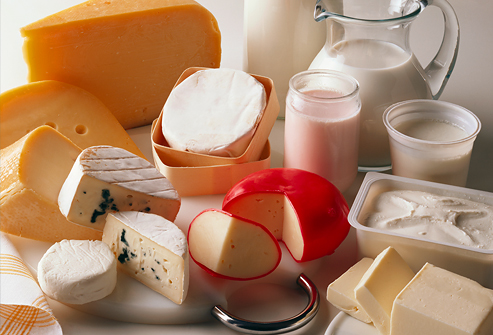 I was recently asked about the epidemic numbers of people suffering from food allergies, specifically dairy and soy products. This population in the U.S. is so large that in fact the foods themselves have come to be considered generally "bad." While certain natural substances are indeed toxic, these foods are not, in and of themselves, actually the problem. The problem lies, as you will see, in the conditions in which these foods are produced, as well as the condition of most people's digestion in modern society. Below are the many reasons why dairy and soy have become such serious food issues, some of which come from the traditional wisdom of Ayurvedic medicine, and some of which are explained by modern environmental and nutritional science.
5 Tips for Keeping Vata in Check This Autumn
 Autumn is upon us, and so is the cold and flu season. In Ayurveda, this is known as Vata season. Vata is translated as Wind in Tibetan medicine, and in many climates we are likely to see some windy weather and some "windy" nervous systems as well!
There are many easy steps you can take to keep your nervous system grounded and your immunity strong during this transitional time.
If you find yourself having any of the following typical Vata symptoms then you will definitely want to take preventative measures.
*lack of concentration, distractibility
*dry skin, hair, and sinuses
*irritability
*insomnia
*thirst, gas and bloating
*stiff, achey muscles and joints
*constipation
Prevention Tips:
1. One of the best Vata pacifying therapies is abhyanga = warm sesame oil self-massage. This is best done before a hot shower. This therapy not only moisturizes the skin, but more importantly it nourishes the muscles and joints, grounds the nervous system, promotes restful sleep, and strengthens immunity.
2. Nasya = Herbal oil nasal drops. Again, this therapy calms Vata at its point of entry, and also lubricates the sinuses so that the dryness of autumn doesn't cause inflammation and reactivity to dust, smoke and pollens.
If you suffer from nasal congestion, sinusitis, or respiratory infections, this is the number one preventative therapy for you.
3. Superfood tonics. My favorites are Maca root, Chinese 5 Mushroom Formula, and Blue-Green Algae. All of these strengthen your immunity in different ways. Taken regularly, these superfoods prevent illness and provide maximum nutrition on a cellular level. They are also adrenal tonics, which helps to combat the effects of stress and fatigue.
4. Seasonal Foods = If you shop at the farmers' markets, you see winter squashes, sweet potatoes, beets, and kale. These foods are perfect to balance Vata and keep the body warm and well nourished. It is best to transition away from raw foods and fruit smoothies and move into warm soups and stews as the weather gets colder. This keeps your digestion in peak health.
5. Regular acupuncture treatments. My patients that receive weekly, bi-weekly or even monthly treatments get sick the least. It is most effective to get regular acupuncture even when you don't have an acute issue. When we address subtle imbalances before they become full-blown illness, it is much easier to treat.
I hope the tips in this article help you to stay in balance with the seasons and our natural environment. This time of year is so glorious, I want you feel great so you can be out enjoying it!
Ayurvedic Secrets To Keeping Cool In Summer
 Summer is upon us, and thanks to climate change it feels hotter than ever in Santa Fe. I wish I could tell you that the ancient medical science of Ayurveda holds the key to controlling the weather. But the truth is that it does contain the secrets to staying cool when the temperature is reaching record highs. Summer is fire season, and when you learn what to eat and how to act to balance this element, you will feel cooler and more comfortable all season long.
Cooling Foods
Ayurveda describes summer as Pitta season. Pitta is made of fire and water, and its qualities are hot, sharp, oily, and light. During summer season you can reduce Pitta heat within your own body by eating a diet of cooling foods.
Most people regardless of their Ayurvedic constitution will feel more comfortable during the summertime by following a Pitta reducing diet. The best foods to keep you cool during summer are watermelon, cucumber, mint, coconut, summer squash, fennel, cilantro, and aloe vera. It's best to avoid spicy, acidic and greasy foods during summer as they will increase the heat in your body and make you feel hotter. For a complete list of Pitta reducing foods, open the food guidelines PDF here.
Cooling Yoga
It's important during every season to exercise regularly, but the type of exercise you do should be in balance with the time of year. During the heat of summer, it's best to swim and do gentle yoga. If you prefer biking and running, try to save it for the early morning and evening when the temperature is slightly cooler.
A lot of people who do yoga love Bikram's hot yoga, but I would encourage switching to a cooler type during the heat of summer. Specific yoga postures and breathing exercises are more cooling than others. Moon Salutation is more appropriate during summer than Sun salutation for example. For instructions on how to do Moon Salutation, click here.
Cooling Massage
Ayurveda is big on oil, both internally and externally. I've written before about the calming effects of massaging warm oil into your body before bathing, but in summer it's important to use a cooling oil made with cooling herbs. Especially if you have trouble sleeping because of the heat at night, you'll love rubbing Brahmi Oil made from coconut oil and brahmi (gotu kola) into the soles of your feet and the scalp to calm the mind and promote restful sleep. You can use it on your whole body as well to counteract summer dryness and dehydration.
Keeping It Cool
I hope you try some of these suggestions from Ayurveda for staying cool this summer. Of course, if you tend to be cold no matter what or you live in the Arctic, then you should follow a plan appropriate to your particular situation. Most people, however, will notice a real difference in their experience of summer heat when they take action to keep their internal cooling system working at its best.
Page 3 of 6